
What Sets Industrial Cleaning Apart
Industrial facilities face cleaning challenges most standard services cannot handle. Heavy machinery, hazardous materials, and large-scale spaces require specialized equipment and trained crews. Standard janitorial approaches simply do not work in these environments. Understanding what proper industrial cleaning actually involves helps facility managers choose the right service for their specific operational needs.
Understanding This Specialized Cleaning Approach
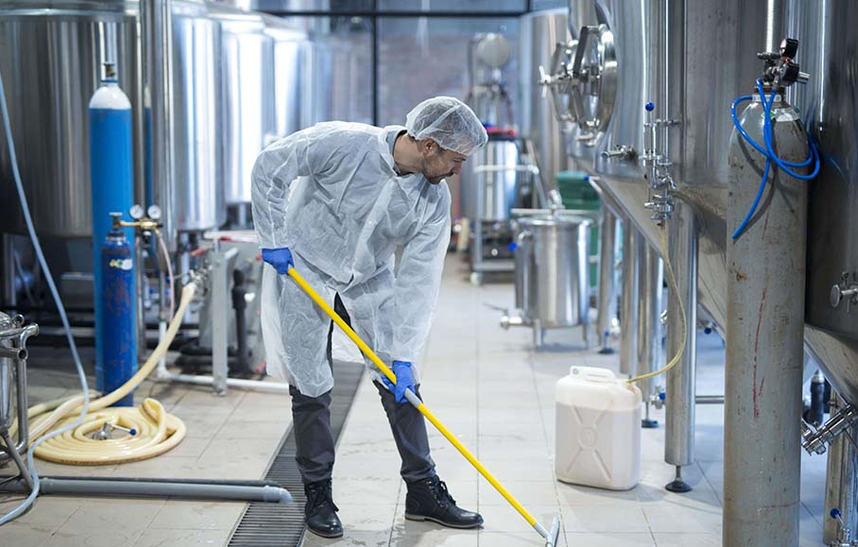
Wondering why standard cleaning crews struggle to keep up with your facility’s demands? Experienced industrial cleaning services Pittsburgh PA facility managers trust bring specialized equipment built for heavy duty environments. Here is what makes the difference.
Specialized Equipment Requirements
Industrial spaces often involve high ceilings, heavy machinery, and hard to reach areas that standard equipment cannot address. Pressure washers, industrial vacuums, and specialized scrubbing machines handle these challenges effectively. Equipment rated for hazardous material cleanup also becomes necessary in certain facilities. Choosing a provider with proper equipment ensures thorough cleaning without damaging expensive machinery or leaving contaminants behind in hard-to-reach spaces.
Handling Hazardous Materials Safely
Many industrial facilities generate waste requiring careful handling during cleanup. Chemical residue, oil spills, and other hazardous materials demand trained crews familiar with proper disposal regulations. Mishandling these substances creates safety risks and potential legal liability for facility owners. Reputable cleaning companies train staff thoroughly on safety protocols and maintain proper certifications. This expertise protects both workers and the facility from unnecessary exposure or violations.
Minimizing Operational Disruption
Unlike office cleaning, industrial cleaning often happens around active production schedules. Experienced crews coordinate timing carefully to avoid interrupting critical operations. Some facilities schedule deep cleaning during planned downtime or overnight shifts specifically to reduce disruption. This flexibility matters significantly for facilities that cannot afford extended closures. Choosing a provider comfortable working around active operations keeps productivity steady throughout the cleaning process.
Meeting Compliance and Safety Standards
Many industries face strict regulatory requirements regarding cleanliness and safety standards. Food processing, manufacturing, and healthcare facilities each carry specific compliance obligations. Professional industrial cleaners understand these requirements and document their work appropriately. This documentation matters during inspections or audits. Working with a provider familiar with relevant regulations reduces the risk of violations that could result in fines or forced shutdowns.
Choosing the Right Cleaning Partner
Not every cleaning company has experience with industrial scale projects. Ask potential providers about their experience with facilities similar to yours. Request information about training, certifications, and safety protocols before signing a contract. A provider who asks detailed questions about your specific facility usually understands the unique challenges involved. Selecting an experienced partner reduces risk and ensures consistent, thorough results over time.
Conclusion: Understanding This Specialized Cleaning Approach
Industrial cleaning requires specialized equipment, trained crews, and careful attention to safety regulations. Minimizing disruption to active operations matters just as much as thoroughness. Meeting compliance standards protects facilities from costly violations. Choosing an experienced cleaning partner familiar with these unique demands ensures a facility stays clean, safe, and fully operational.
Recent Comments