What to Do During a Dental Emergency

Dental pain rarely waits for convenient timing. A cracked tooth or sudden severe pain can happen any time of day, leaving people unsure where to turn. Knowing what qualifies as a true emergency and how to respond helps prevent further damage. Here is what patients should understand about handling urgent dental situations before they escalate further.

Handling Urgent Dental Situations Correctly

Dealing with sudden tooth pain and not sure if it warrants immediate care? A responsive emergency dentist Raleigh North Carolina patients trust can address urgent issues quickly. Here is what counts as an emergency.

Recognizing a True Dental Emergency

Not every dental issue requires immediate attention, but certain symptoms demand quick action. Severe pain that does not respond to over-the-counter medication often signals infection or nerve damage. Swelling in the face or jaw can indicate a spreading infection requiring urgent treatment. Knocked out teeth also fall into this category, since quick action significantly improves the chance of successful reattachment by a professional.

What to Do with a Knocked-Out Tooth

Time matters significantly when a tooth gets knocked out completely. Handle the tooth by the crown, avoiding the root area entirely. Rinse gently without scrubbing if dirty, then attempt to place it back in the socket if possible. If reinsertion is not possible, keep the tooth moist in milk or saliva during transport. Reaching a dentist within thirty minutes greatly improves the chances of saving the tooth.

Managing Severe Toothache Pain

Persistent, severe tooth pain often indicates infection or significant decay reaching the nerve. Rinsing with warm salt water can provide temporary relief while arranging an appointment. Over the counter pain relievers help manage discomfort short term, but they do not address the underlying cause. Applying a cold compress to the outside of the cheek can also reduce swelling and discomfort until professional treatment happens.

Dealing With a Broken or Chipped Tooth

Cracked or broken teeth require prompt attention to prevent further damage or infection. Rinse the mouth gently with warm water to clean the area. Save any broken pieces if possible, since dentists sometimes reattach them depending on the break. Avoid chewing on the affected side until seeing a professional. Covering sharp edges with dental wax can prevent cuts to the tongue or cheek temporarily.

When to Seek Immediate Care

Certain symptoms warrant immediate attention rather than waiting for a regular appointment. Uncontrolled bleeding, severe facial swelling, or signs of infection like fever alongside dental pain all require prompt evaluation. Trusting your instincts matters here. If something feels seriously wrong, seeking immediate care prevents complications that become harder and more expensive to address the longer they go untreated.

Conclusion: Handling Urgent Dental Situations Correctly

Knowing how to respond during a dental emergency can make a real difference in treatment outcomes. Recognizing true emergencies, acting quickly with knocked out teeth, and managing pain appropriately all matter in the moment. Seeking immediate care when warranted prevents complications from worsening. Understanding these basics helps patients feel more prepared when unexpected dental situations arise.

What Sets Industrial Cleaning Apart

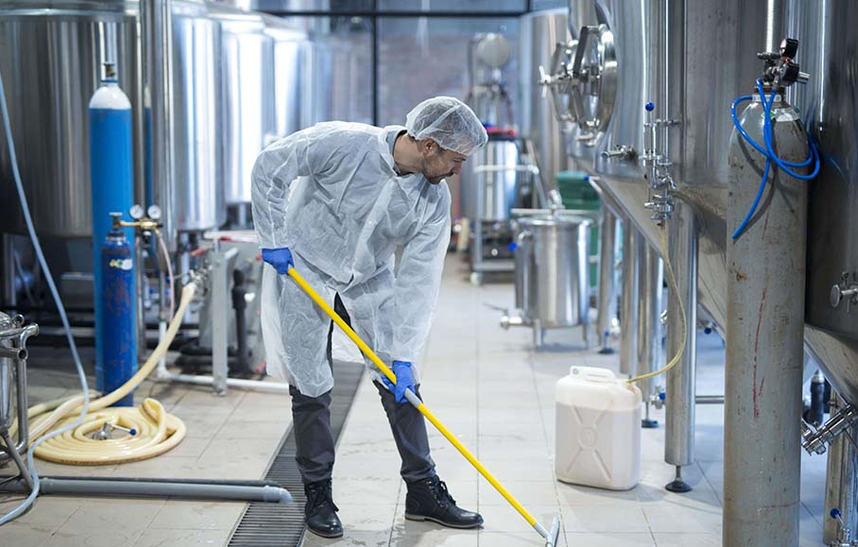
Industrial facilities face cleaning challenges most standard services cannot handle. Heavy machinery, hazardous materials, and large-scale spaces require specialized equipment and trained crews. Standard janitorial approaches simply do not work in these environments. Understanding what proper industrial cleaning actually involves helps facility managers choose the right service for their specific operational needs.

Understanding This Specialized Cleaning Approach

Wondering why standard cleaning crews struggle to keep up with your facility’s demands? Experienced industrial cleaning services Pittsburgh PA facility managers trust bring specialized equipment built for heavy duty environments. Here is what makes the difference.

Specialized Equipment Requirements

Industrial spaces often involve high ceilings, heavy machinery, and hard to reach areas that standard equipment cannot address. Pressure washers, industrial vacuums, and specialized scrubbing machines handle these challenges effectively. Equipment rated for hazardous material cleanup also becomes necessary in certain facilities. Choosing a provider with proper equipment ensures thorough cleaning without damaging expensive machinery or leaving contaminants behind in hard-to-reach spaces.

Handling Hazardous Materials Safely

Many industrial facilities generate waste requiring careful handling during cleanup. Chemical residue, oil spills, and other hazardous materials demand trained crews familiar with proper disposal regulations. Mishandling these substances creates safety risks and potential legal liability for facility owners. Reputable cleaning companies train staff thoroughly on safety protocols and maintain proper certifications. This expertise protects both workers and the facility from unnecessary exposure or violations.

Minimizing Operational Disruption

Unlike office cleaning, industrial cleaning often happens around active production schedules. Experienced crews coordinate timing carefully to avoid interrupting critical operations. Some facilities schedule deep cleaning during planned downtime or overnight shifts specifically to reduce disruption. This flexibility matters significantly for facilities that cannot afford extended closures. Choosing a provider comfortable working around active operations keeps productivity steady throughout the cleaning process.

Meeting Compliance and Safety Standards

Many industries face strict regulatory requirements regarding cleanliness and safety standards. Food processing, manufacturing, and healthcare facilities each carry specific compliance obligations. Professional industrial cleaners understand these requirements and document their work appropriately. This documentation matters during inspections or audits. Working with a provider familiar with relevant regulations reduces the risk of violations that could result in fines or forced shutdowns.

Choosing the Right Cleaning Partner

Not every cleaning company has experience with industrial scale projects. Ask potential providers about their experience with facilities similar to yours. Request information about training, certifications, and safety protocols before signing a contract. A provider who asks detailed questions about your specific facility usually understands the unique challenges involved. Selecting an experienced partner reduces risk and ensures consistent, thorough results over time.

Conclusion: Understanding This Specialized Cleaning Approach

Industrial cleaning requires specialized equipment, trained crews, and careful attention to safety regulations. Minimizing disruption to active operations matters just as much as thoroughness. Meeting compliance standards protects facilities from costly violations. Choosing an experienced cleaning partner familiar with these unique demands ensures a facility stays clean, safe, and fully operational.

How Clean Offices Impact Your Business

A clean workplace affects more than appearance. It influences employee health, client impressions, and even productivity throughout the day. Many business owners underestimate how much daily upkeep matters until problems start appearing. Understanding what quality janitorial service actually provides helps decision makers choose the right approach for their specific workplace needs.

Why Consistent Cleaning Matters for Business

Noticing more sick days or complaints about a messy break room lately? Reliable janitorial services Pittsburgh PA business owners depend on keep workplaces healthy and presentable daily. Here is why it matters so much.

First Impressions Start at the Front Door

Clients and visitors form opinions about a business within seconds of walking through the door. Dusty surfaces, stained carpets, or overflowing trash bins suggest neglect, even if the actual work performed inside is excellent. Consistent cleaning keeps entryways, lobbies, and common areas looking professional. This attention to detail often influences client confidence more than business owners realize during those first crucial moments of any visit.

Employee Health and Productivity

Workplaces harboring dust, allergens, and germs contribute to increased sick days among staff. Regular cleaning reduces the spread of illness through shared spaces like break rooms, restrooms, and high touch surfaces. Employees working in clean environments often report feeling more focused and comfortable throughout the day. This connection between cleanliness and productivity makes janitorial service an investment in workforce wellbeing rather than simply a cosmetic expense.

Customizing Service to Your Schedule

Every business operates differently, and cleaning schedules should reflect that reality. Some facilities need nightly service to stay ready for daily operations, while others function well with less frequent visits. Flexible scheduling around business hours prevents disruption to daily operations. Discussing specific needs with a provider ensures the service matches actual usage patterns rather than following a generic template that does not fit every workplace.

Specialized Areas Need Extra Attention

Certain areas within a workplace require more thorough or specialized cleaning than general office space. Restrooms need frequent sanitizing throughout the day in busier facilities. Break rooms and kitchens accumulate food debris requiring careful attention. High traffic entryways see more wear on flooring than quieter interior spaces. Identifying these areas upfront helps a provider allocate appropriate time and attention where it matters most.

Building a Long-Term Cleaning Partnership

Consistency delivers the best results over time. Working with the same provider regularly builds familiarity with a facility’s specific layout and needs. This relationship often leads to better communication when issues arise or schedules need adjusting. Businesses that view janitorial service as an ongoing partnership rather than a one-time transaction typically experience more reliable, higher quality results throughout the year.

Conclusion: Why Consistent Cleaning Matters for Business

Quality janitorial service influences far more than surface appearance. First impressions, employee health, and workplace productivity all benefit from consistent cleaning. Customizing schedules and addressing specialized areas ensures service fits actual business needs. Building a long-term partnership with a reliable provider delivers the strongest results for any workplace over time.

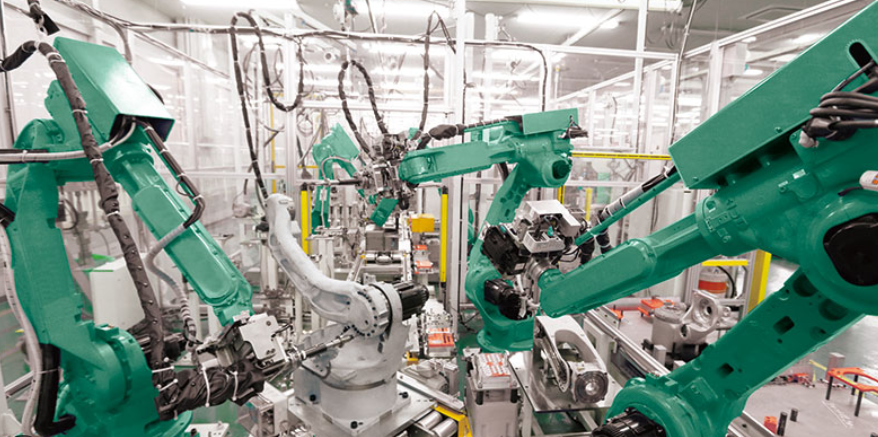
Common Misconceptions About Industrial Automation

Many business owners hesitate to explore automation because of outdated assumptions. Old ideas about cost, complexity, and job displacement often prevent facilities from considering solutions that could genuinely improve operations. Separating fact from misconception helps decision makers evaluate automation based on current reality rather than outdated fears. Here is a closer look at some common myths worth reconsidering.

Separating Fact from Common Automation Myths

Held back by outdated assumptions about what automation actually involves? A knowledgeable industrial automation company helps facilities separate myth from reality before making decisions. Here is what often gets misunderstood.

Myth That Automation Only Suits Large Facilities

Many smaller operations assume automation only makes sense for massive facilities with huge budgets. This is rarely true anymore. Scalable solutions now exist for facilities of varying sizes, allowing smaller operations to automate specific processes without a complete overhaul. Starting with targeted automation in one area often delivers meaningful improvements without requiring the large investment many business owners assume is necessary.

Myth That Automation Eliminates All Jobs

A common fear suggests automation replaces human workers entirely. In practice, automation typically shifts roles rather than eliminating them completely. Employees often move toward tasks requiring judgment, troubleshooting, and oversight rather than repetitive manual labor. Many facilities find that automation actually creates new opportunities for skilled positions while improving working conditions for staff no longer performing physically demanding, repetitive tasks throughout their shifts.

Myth That Older Facilities Cannot Adapt

Some assume older buildings or outdated infrastructure cannot support modern automation technology. While certain older systems present challenges, experienced integrators regularly work around existing infrastructure limitations. Solutions can often be customized to fit within existing space and electrical capacity. Dismissing automation based on facility age alone often means missing genuine opportunities for meaningful efficiency improvements available through thoughtful, customized implementation.

Myth That Implementation Always Means Long Shutdowns

Business owners often worry that installing automation requires shutting down operations for extended periods. Skilled integrators frequently plan implementation in phases, minimizing disruption to daily production. Some work happens during off hours or planned downtime specifically to avoid interrupting active operations. Proper planning significantly reduces the disruption many facility owners fear when first considering an automation project for their operation.

Myth That Automation Is Too Complex to Maintain

Some assume automated systems require specialized staff far beyond what current employees can manage. Modern systems often include user friendly interfaces designed for straightforward daily operation. Training provided during implementation typically equips existing staff to handle routine monitoring and basic troubleshooting. Complex issues still benefit from professional support, but daily operation rarely demands the specialized expertise many business owners initially expect.

Conclusion: Separating Fact from Common Automation Myths

Outdated assumptions often prevent facilities from exploring automation that could genuinely improve their operations. Understanding the reality behind common myths, from facility size to implementation disruption, helps decision makers evaluate options more clearly. Modern automation solutions adapt to many different situations. Looking past these misconceptions often reveals opportunities worth serious consideration for any facility.