
The Warning Signs in Your Home That Mean It Is Time to Call an Electrician
Electrical problems rarely announce themselves dramatically. Most of the time they build quietly, showing up as minor inconveniences that are easy to dismiss or explain away. The trouble is that what feels like a small nuisance is often an early indicator of something more serious developing inside your walls, your panel, or your wiring system.
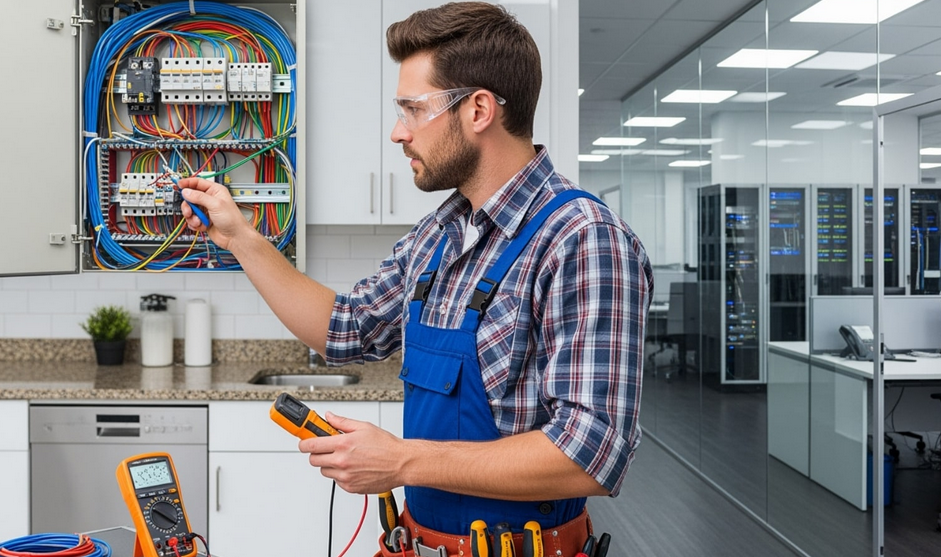
Small Signs That Deserve Serious Attention
Knowing when to call a professional is just as important as knowing who to call. Electrical issues that go unaddressed have a way of escalating into hazards that are far more disruptive and expensive to resolve than they would have been caught early. For homeowners and business owners paying attention to what their property is telling them, electricians Charleston SC professionals are ready to diagnose and resolve issues before they develop into serious problems.
Flickering Lights Are Rarely Just a Bulb Problem
A light that flickers occasionally might seem like nothing more than a bulb reaching the end of its life. When flickering persists after replacing the bulb, affects multiple fixtures, or occurs in a pattern tied to appliance use, the story changes considerably. Flickering that correlates with running the microwave, the washing machine, or the air conditioner often points to circuit overloading, loose connections, or wiring that can no longer handle the electrical demand being placed on it.
Frequently Tripping Breakers Are Sending You a Message
A circuit breaker that trips once under unusual load is doing exactly what it was designed to do. A breaker that trips repeatedly under normal conditions is communicating something worth listening to. Chronic tripping typically indicates a circuit that is consistently overloaded, a breaker that has weakened over time and needs replacement, or a wiring fault that is creating abnormal current draw. Resetting the breaker handles the immediate inconvenience but does nothing to address whatever is causing it to trip in the first place.
Outlets That Feel Warm or Show Discoloration Need Immediate Attention
An electrical outlet should never feel warm to the touch during or after normal use. Warmth, discoloration, or scorch marks around an outlet or switch plate are physical evidence of heat buildup that should not be there. These signs point to loose wiring connections, outlets that are overloaded, or faulty components that are generating excess heat during operation. This particular warning sign carries real urgency because the conditions that produce outlet discoloration are the same conditions that produce electrical fires.
An Aging Electrical Panel Is a Hidden Liability
Electrical panels have a functional lifespan, and properties with panels that are several decades old are often operating with infrastructure that was never designed to support modern electrical loads. Older panels may lack the capacity, the safety features, or the reliable performance that current households and businesses require. If your panel uses fuses rather than breakers, shows signs of rust or heat damage, or simply cannot keep pace with your property’s electrical demands, a professional assessment is long overdue.
Conclusion: Small Signs That Deserve Serious Attention
To pull everything together, your property gives you signals when something is wrong electrically, and paying attention to those signals is one of the smartest things you can do as a property owner. Flickering lights, tripping breakers, warm outlets, and aging panels are not problems to watch and wait on. They are invitations to act before something minor becomes something serious. Calling a qualified electrician at the first sign of trouble is always the right decision.

Recent Comments